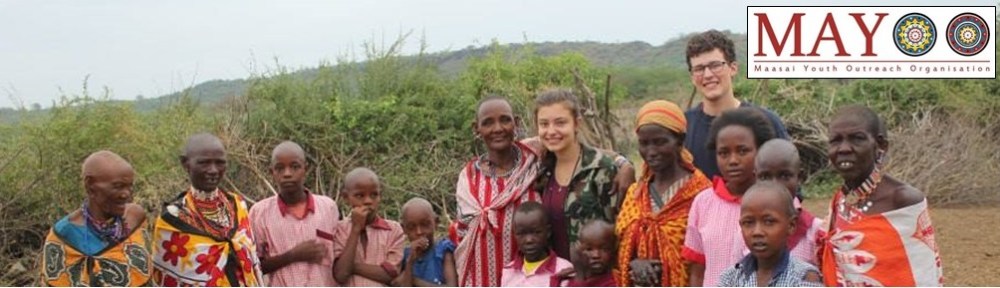
Thanks to Volunteer Brooke Bierhaus for the video below about the challenges facing young Maasai girls and the work at the MAYOO safe house:
Challenges Facing in the Maasai Community
- Gender Inequality: Female Genital Mutilation, early marriages and access to education are huge issues for young girls and women. Unfortunately, girls are not given the same opportunities and do no possess agency over their future like boys. The patriarchal Maasai community allows for men to arrange and sell their daughters at a young age in exchange for money or livestock. Men in Maasailand and around East Africa do not have strong belief in a women’s ability to succeed have success one day so they typically will only pay for their sons schooling who might later add to the families inheritance. Unfortunately, women are therefore left to take care of all the daily chores such as cooking, cleaning, fetching water, firewood, taking care of children and livestock. In this way women are overlooked and only seen as useful to be sold into marriage or tend to daily chores; both of which take away from any education or opportunity for independence. In order to be married, a girl must undergo the circumcision ceremony which entails Female Genital Mutilation. This practice symbolizes their transformation to a women and a faithful wife. We see this tradition happening at the ages of 13-16 every year as women give up their lives to serve the next generation of Maasai men in a vicious cycle.
- This oppression of women is unacceptable in our opinion and we are actively fighting to give Maasai women equal opportunity through programs like the Safehouse Rescue program.
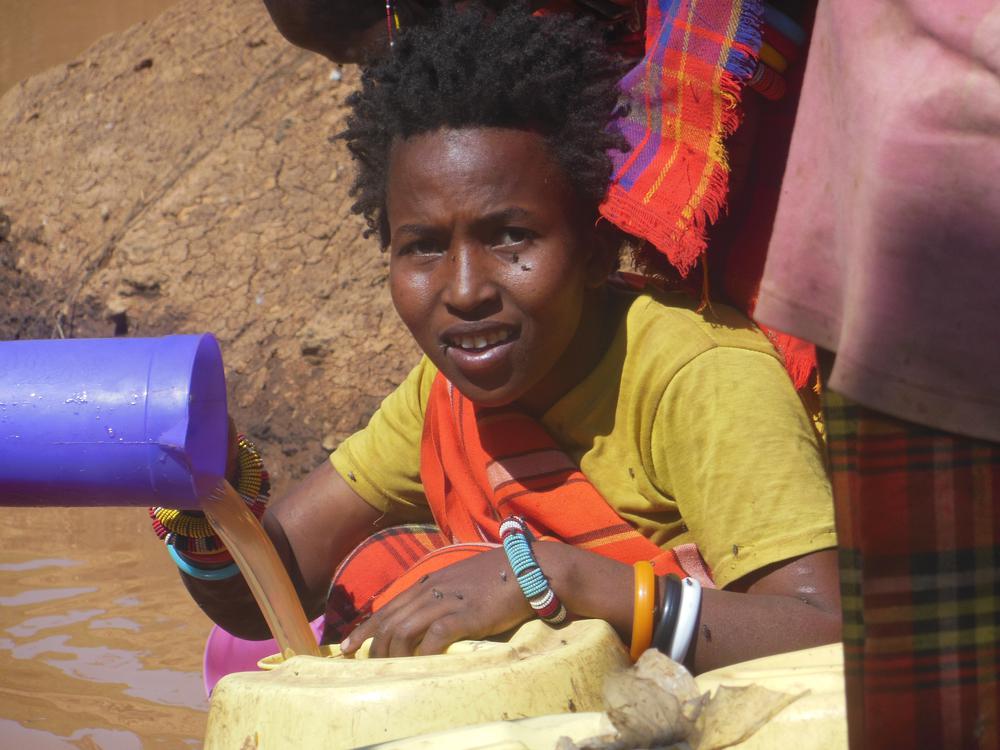
- Access to Clean Water: Acute shortage of water that compels people to sometimes travel over twenty kilometers in search of clean water for domestic use has had severe repercussions in Maasai community. First of all, health issues like infantile diarrhea, trachoma, and bacteria are common side-effects from using more convenient dirty water sources like run-off rain water, and dams. Secondly, the inconvenience of walking long-distances neglects many other important aspects of life like caring for children, working jobs or getting an education. Often times girls are expected to help fetch water which jeopardizes any chance at going to school or completing homework. Ultimately, the lack of access to potable water not only is a major inconvenience but also incredibly damaging to the health and potential of Maasai communities.
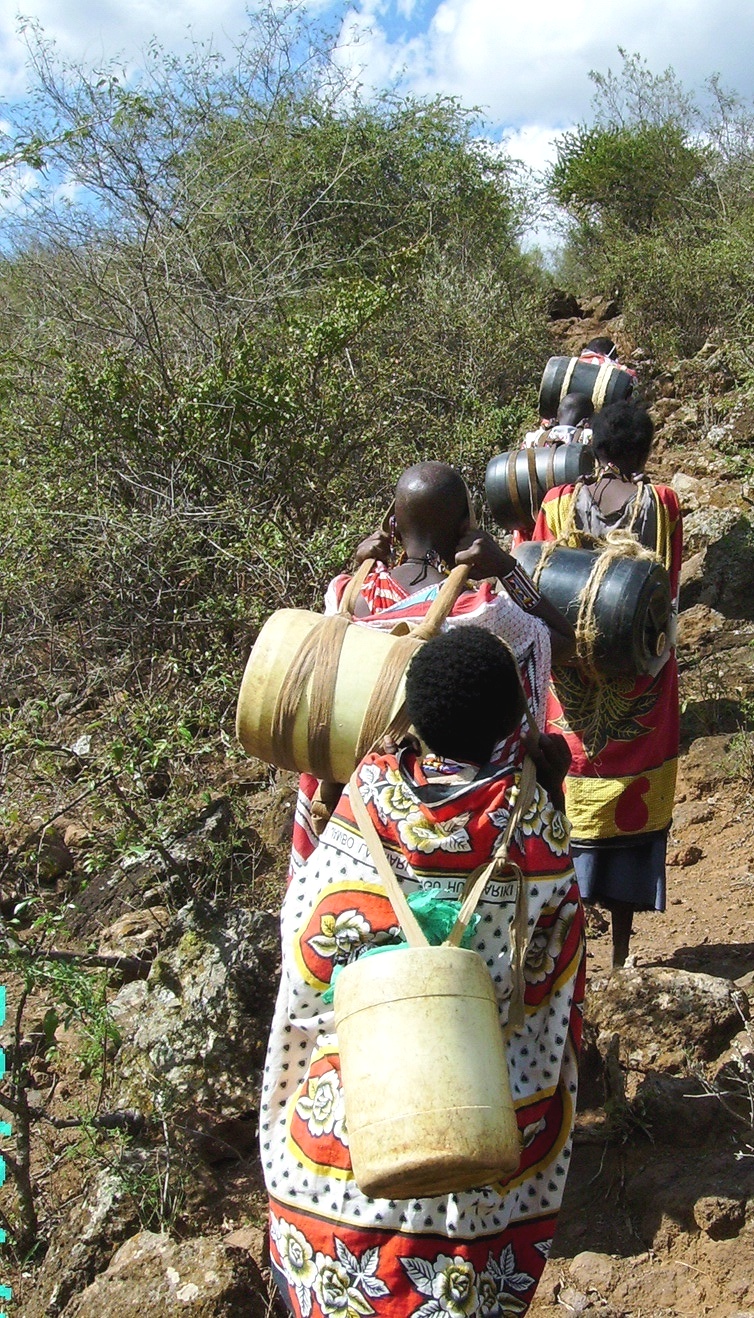
Women carrying water in the traditional way over their forehead
- Other Issues:
- Loss of cattle in times of drought: Maasai people depend on cattle as their main source of livelihood. This has raised the dependency level in the Maasai community and therefore severe hardships in time of drought.
Malnourished Cattle During Drought
- Lack of opportunity for higher education and hence very few people make it past primary school, especially to university level.
- Diseases such as HIV/AIDS, cancer, along with other infectious diseases (ie. Malaria, typhoid, tuberculosis) are tremendously affecting the Maasai people and leading to a high number of orphans and hence higher levels of dependency.
 Maasai Youth Outreach Organization